Charting the Shift from Physical Media to Digital Ownership and Its Effects on Collector Communities
Devon Franke · Aug 6, 2026
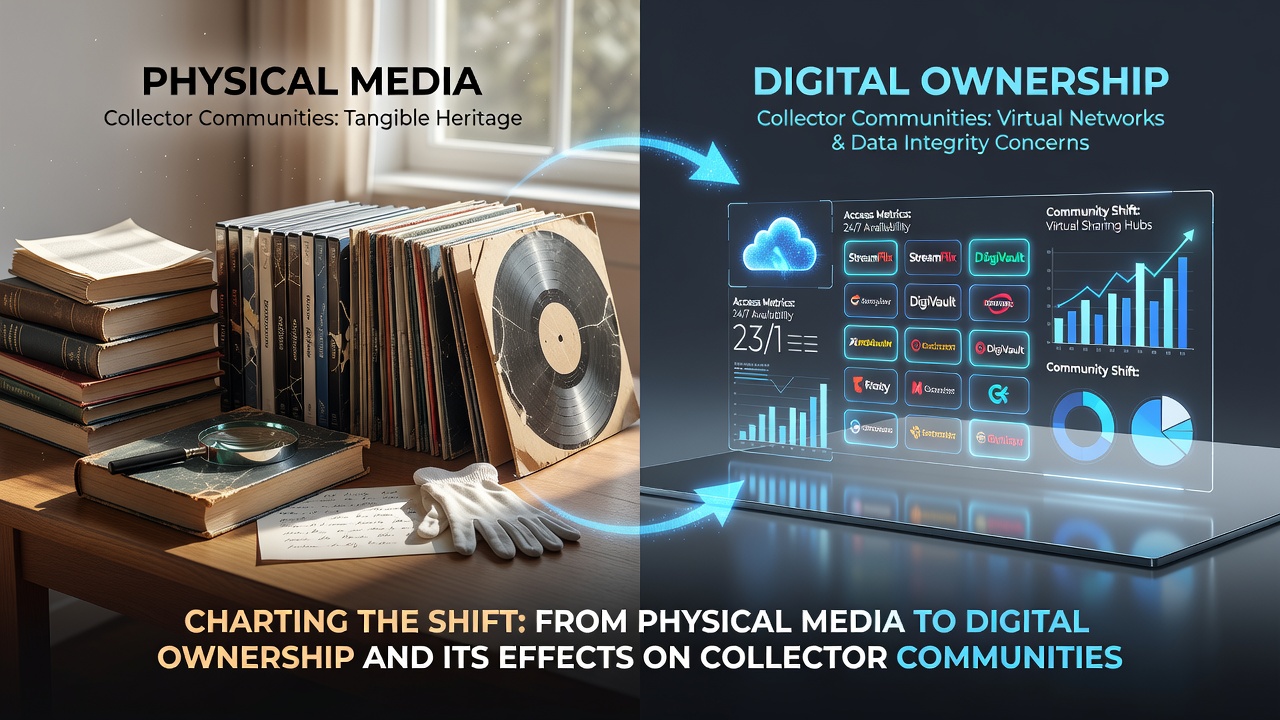
Charting the Shift from Physical Media to Digital Ownership and Its Effects on Collector Communities
Digital distribution platforms have expanded rapidly since the early 2000s while physical media sales have declined across console and PC markets according to industry tracking data and sales reports from multiple regions. This transition has altered how ownership functions for video games and related collectibles because users now receive licenses rather than permanent copies in many cases and the change carries direct consequences for communities that historically valued tangible items for display, resale, and preservation.
Market Data on Format Preferences
Figures from the Entertainment Software Association reveal that digital sales accounted for more than 80 percent of game revenue in the United States by 2025 while physical units continued to drop each year in both unit volume and dollar share. Similar patterns appear in reports from European Union statistical agencies and Australian government digital economy reviews where digital storefronts dominate new releases yet physical editions persist for select titles with strong collector demand. Observers note that these numbers reflect platform strategies rather than consumer preference alone because publishers increasingly limit physical production runs and tie bonuses to digital preorders.
Changes in Ownership and Resale Rights
Physical copies once allowed owners to sell, trade, or lend games through secondary markets but digital licenses typically prohibit transfer and remain tied to individual accounts even after hardware upgrades. Data from platform analytics shows that account-based systems reduce instances of used-game circulation while increasing the number of titles purchased multiple times across different consoles or services. Researchers at academic institutions studying digital rights management have documented how these restrictions affect long-term access because accounts can be suspended or closed for policy violations leaving purchased libraries inaccessible without recourse in many jurisdictions.
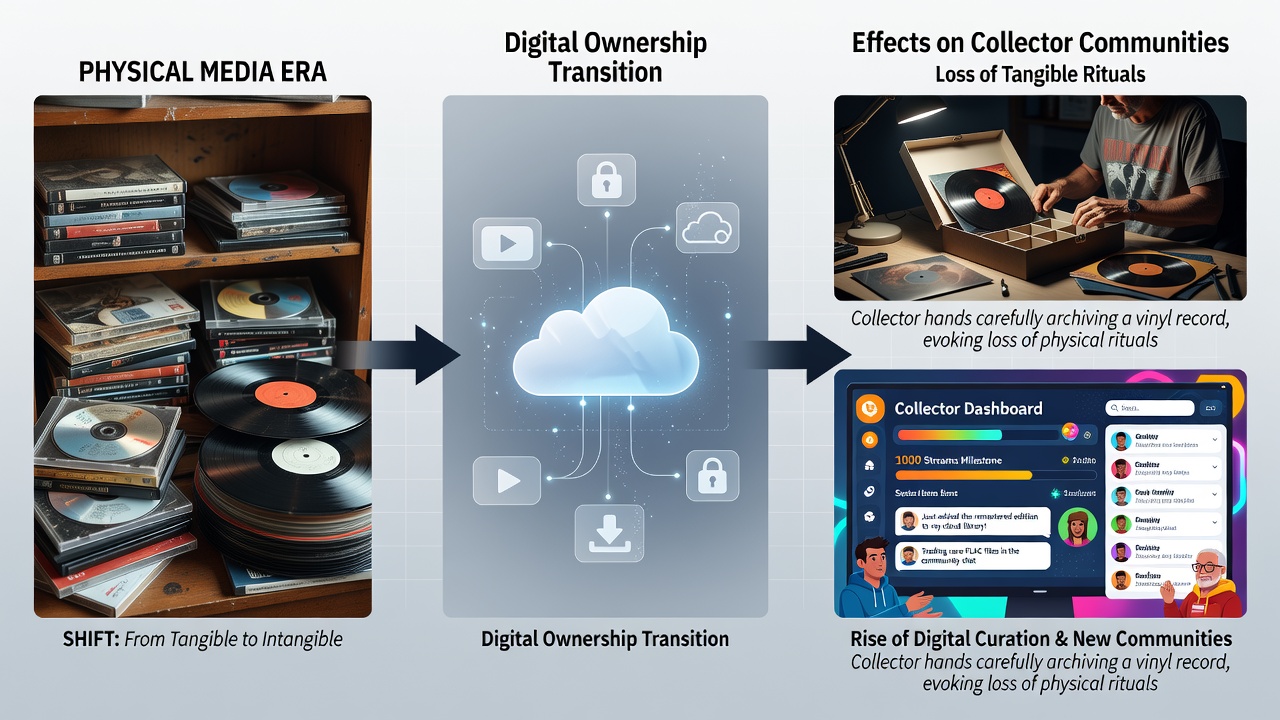
Collector communities have responded by focusing on physical editions of limited-run or special-edition games that retain packaging, manuals, and artwork as primary objects of value. Auction records and secondary-market tracking services indicate steady or rising prices for sealed physical copies of older titles even as digital versions sell at lower launch prices. Communities centered on preservation maintain physical libraries to ensure continued playability when online services retire older titles or when licensing agreements expire and remove games from digital storefronts.
Community Adaptation Strategies
Groups dedicated to physical collecting have formed networks for authentication, grading, and storage of rare editions while digital collectors experiment with platform-specific achievements and virtual item inventories that cannot be transferred between services. Studies from university media labs show that some collectors maintain hybrid libraries combining physical backups with digital convenience yet face challenges when hardware compatibility declines over successive console generations. Trade associations in Canada and the European Union have published guidance on consumer rights regarding digital purchases that highlights differences in refund policies and regional availability compared with physical retail transactions.
By August 2026 several major publishers announced expanded digital-only release schedules for mid-tier titles while continuing limited physical production for flagship games aimed at collector segments. This pattern aligns with earlier shifts observed in music and film industries where tangible formats became niche products supported by dedicated enthusiasts rather than mass-market defaults. Evidence from sales databases indicates that collector interest sustains demand for physical versions of narrative-driven or multiplayer titles long after initial digital releases saturate primary markets.
Preservation and Access Concerns
Archival organizations and hobbyist groups track instances where digital-only games become unavailable due to server shutdowns or licensing changes and they compare these outcomes against physical copies that remain playable on original hardware or through compatible devices. Reports compiled by research institutions document the growth of community-driven emulation projects and hardware modification communities that seek to maintain access to both formats though legal frameworks vary by country and create uneven outcomes. Those who study collector behavior find that physical ownership continues to serve as a hedge against service disruptions while digital libraries offer immediate access and frequent updates without storage requirements.
Conclusion
The ongoing movement toward digital distribution has reshaped collector communities by redefining what constitutes ownership and by separating resale value from access rights in measurable ways. Market statistics demonstrate sustained though reduced demand for physical media among enthusiasts who prioritize tangibility and long-term control while broader audiences adopt digital platforms for convenience. Regional reports from government agencies and industry groups continue to monitor these trends as they influence both consumer spending patterns and preservation efforts across gaming ecosystems.