Mapping Collector Preferences for Limited-Run Physical Editions Through Secondary Market Price Fluctuations
Bianca Ludwig · Aug 8, 2026
Mapping Collector Preferences for Limited-Run Physical Editions Through Secondary Market Price Fluctuations
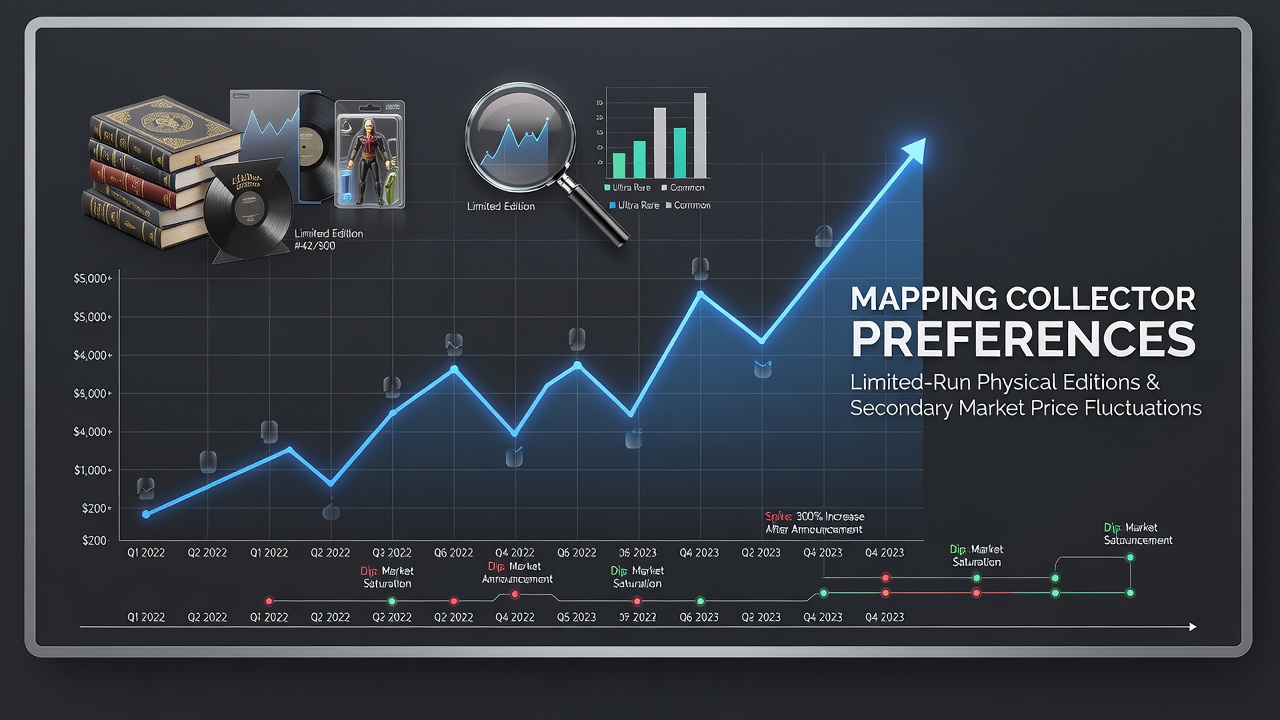
Secondary markets for limited-run physical editions reveal collector preferences through consistent price movements tracked across platforms like eBay, StockX, and specialized forums. Analysts compile sales records from these venues to identify which titles command sustained premiums while others depreciate rapidly after initial release windows close. Data aggregation from thousands of transactions allows researchers to map demand signals without relying on direct surveys, because actual purchase behavior provides clearer indicators than stated intentions.
Secondary Market Data Collection Methods
Researchers gather historical listings and completed sales figures from public APIs and archived records, then normalize them for factors such as condition grading, regional shipping costs, and seller ratings. Software tools scrape timestamps alongside final sale prices to build time-series datasets that span multiple console generations. In August 2026 these datasets incorporated fresh listings from the previous fiscal quarter, revealing how scarcity announcements correlate with immediate upward spikes followed by stabilization periods lasting six to eighteen months.
Statistical models apply regression analysis to isolate variables like print run size, developer reputation, and tie-in media coverage. Observers note that editions bundled with unique peripherals often retain value better than standard variants, while those tied to underperforming games show steeper declines regardless of physical quality. Cross-referencing with primary sales databases from platform holders helps validate whether secondary premiums stem from genuine collector interest or temporary hype cycles.
Price Patterns and Preference Signals
Limited editions featuring alternate cover art or numbered certificates frequently exhibit slower depreciation rates when compared against standard physical releases of the same title. Price trajectories tend to flatten after the first year for games with strong critical reception, whereas titles with mixed reviews experience continued erosion even when physical copies remain scarce. Analysts track these curves to distinguish between speculative buying and long-term holding behavior among core collectors.
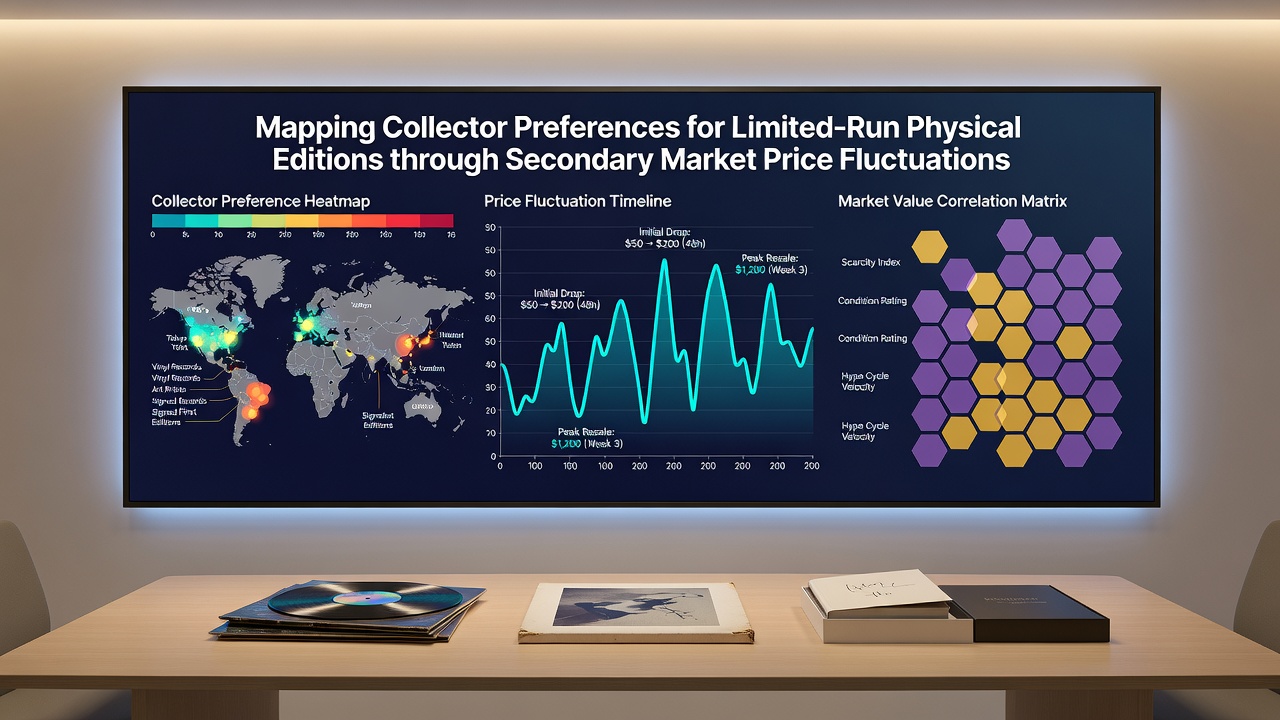
Regional variations appear when data is segmented by shipping origin. Editions released primarily in North America command higher averages on domestic marketplaces, while European variants show elevated values within EU-based listings due to import duties and language localization differences. A 2025 report issued by the Entertainment Software Association documented these geographic price spreads across multiple platforms, noting that Asian-market exclusives often achieve the steepest premiums when resold outside their origin territories.
Case Examples from Recent Releases
One documented series involved a 2024 action title whose deluxe physical edition included a steelbook and art book. Initial secondary listings opened near three times retail before settling into a narrower band after six months, indicating sustained but not speculative demand. Another example centers on a narrative-driven indie release whose limited Switch cartridge run maintained elevated prices through 2026 because digital versions lacked certain bonus content present only in the physical package.
Observers have tracked how post-launch patches sometimes influence physical edition values when those updates address performance issues present at launch. Titles receiving substantial content expansions after release see secondary prices rise again if the physical edition includes early codes or unique packaging that digital owners cannot replicate. These patterns emerge consistently across datasets compiled from both high-volume auction sites and smaller collector communities.
Influencing Factors Beyond Scarcity
Media coverage around anniversaries or franchise milestones can trigger renewed interest visible in price upticks, while developer statements about future re-releases often precede downward pressure on existing physical stock. Packaging condition remains a dominant variable, with sealed copies outperforming opened ones by wide margins in nearly every tracked category. Research conducted through the Fraunhofer Institute for Digital Media Technology examined these condition-based differentials using European marketplace records and confirmed that grading services further amplify price separation between pristine and average specimens.
Supply chain disruptions during 2025 and early 2026 also affected availability of certain limited runs, producing temporary price surges that later moderated once distribution normalized. Collectors who monitor these external shocks alongside baseline scarcity metrics gain earlier insight into which editions are likely to appreciate over multi-year horizons.
Conclusion
Secondary market price fluctuations serve as a practical proxy for mapping collector preferences across limited physical editions. Aggregated transaction data, when processed through standardized statistical frameworks, highlights which design choices and release strategies resonate most strongly with buyers. Continued refinement of these analytical approaches supports more accurate forecasting of long-term value trends without requiring direct access to proprietary sales information from publishers.